Books
The New Civil Rights Movement: Resistance, Resilience, and Justice
Co-Edited with Dr. Marcia Walker-McWilliams, author of Reverend Addie Wyatt: Faith and the Fight for Labor, Gender, and Racial Equality

Moving from the labor struggles of the 1930s to the sit-ins and boycotts of midcentury, and the Black Lives Matter protests of today, this expansive volume brings together first-person accounts, political documents and speeches, and historical photographs from each region of the country.
Designed for use in courses and engaging for general readers, this new compilation is the most diverse, most inclusive, and most comprehensive resource available for teaching and learning about the civil rights movement. With chronological and geographical depth, The New Civil Rights Movement Reader addresses a range of key topics, including youth activism, regional and local freedom struggles, voting rights, economic inequality, gender, sexuality, and culture, and the movement’s global reach.
The New Civil Rights Movement Reader was published by the University of Massachusetts Press in April 2023. This work is available for purchase at:
University of Massachusetts Press | Barnes & Noble | Amazon
What people are saying
“[The New Civil Rights Reader] reminds us that the civil rights movement was never just about ‘civil rights’ but culminated in today’s capacious demands for peace, justice, and human rights.”
— Martha Biondi, author of To Stand and Fight: The Struggle for Civil Rights in Postwar New York City and The Black Revolution on Campus
“This wonderful volume will help to reshape how we understand, and teach, the civil rights movement. For its impressive chronological scope and wide geographical range, The New Civil Rights Movement Reader has no parallel.”
—Jason Sokol, author of All Eyes Are Upon Us: Race and Politics from Boston to Brooklyn and The Heavens Might Crack: The Death and Legacy of Martin Luther King Jr.
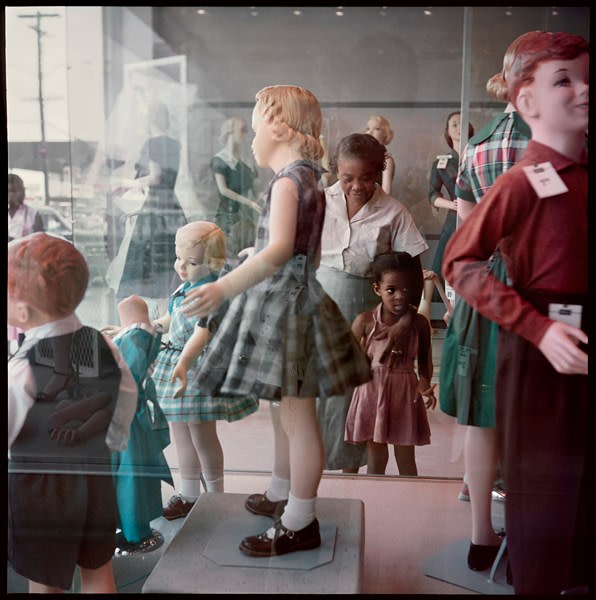
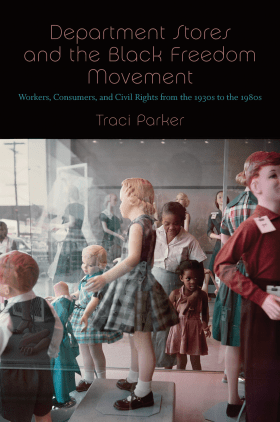
Department Stores and the Black Freedom Movement
Workers, Consumers, and Civil Rights from the 1930s to the 1980s
2019 Choice Outstanding Academic Title
Department Stores and the Black Freedom Movement examines the movement to racially integrate white-collar work and consumption in American department stores, and broadens our understanding of historical transformations in African American class and labor formation. Built on the goals, organization, and momentum of earlier struggles for justice, the department store movement channeled the power of store workers and consumers to promote black freedom in the mid-twentieth century. Sponsoring lunch counter sit-ins and protests in the 1950s and 1960s, and challenging discrimination in the courts in the 1970s, this movement ended in the early 1980s with the conclusion of the Sears, Roebuck, and Co. affirmative action cases and the transformation and consolidation of American department stores. In documenting the experiences of African American workers and consumers during this era, this book highlights the department store as a key site for the inception of a modern black middle class, and demonstrates the ways that both work and consumption were battlegrounds for civil rights.
What people are saying
“…a powerful and largely untold story. Parker masterfully captures the distinct yet intertwined fates of workers and consumer rights. ”
— Victoria W. Wolcott, State University of New York at Buffalo
“Thanks to Parker, department stores will never again be passing references – mere scenery- for the larger historical drama of the modern Black Freedom Movement.”
— Journal of African American History
Department Stores and the Black Freedom Movement is available for purchase at:
University of North Carolina Press | Barnes & Noble | Amazon
Forthcoming
Revolutionary Love (under contract with Bloomsbury Press)
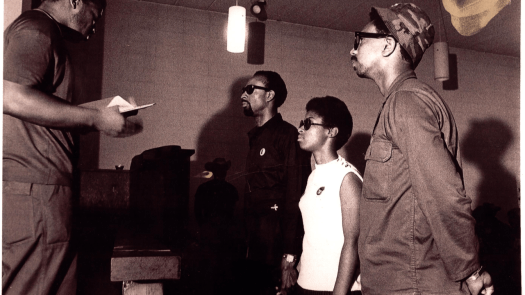
Revolutionary Love examines romantic relationships in the Civil Rights and Black Power Movements. Weaving together activists’ intimate and powerful stories, it reveals that civil rights activists politicized romantic love and experimented with the structure of their relationships, hoping to realize Black liberation in the public and private spheres. Collectively, these relationships were a crucial platform that helped to revolutionize race, gender, and activism in the 1960s and 1970s.
Revolutionary Love illuminates the importance of love, sex, and marriage in the mid-twentieth-century Black Freedom Movement, deepens our understanding of activists’ complicated relationships with one another, and reveals that the civil rights revolution generated important and lasting shifts in the relationships between Black and White people and men and women.
 Traci Parker